 EN
EN








The Ultimate Guide To Indoor LED Screen Mounting Options
Buying the LED screen is the fun part. Figuring out how to actually mount it to your wall or ceiling? That’s where things get complicated.
I can't tell you how many times our engineering team at Colorartled has stepped onto a job site only to find out the client’s wall can't hold the weight, or there's absolutely zero room for cables. Choosing the wrong mounting setup doesn't just ruin the sleek look of your space—it turns future maintenance into a complete nightmare.
Today, we are skipping the marketing fluff. As someone who builds these structures for a living, here is my breakdown of the 4 most reliable indoor LED screen mounting options, and exactly what you need to know before you start drilling.
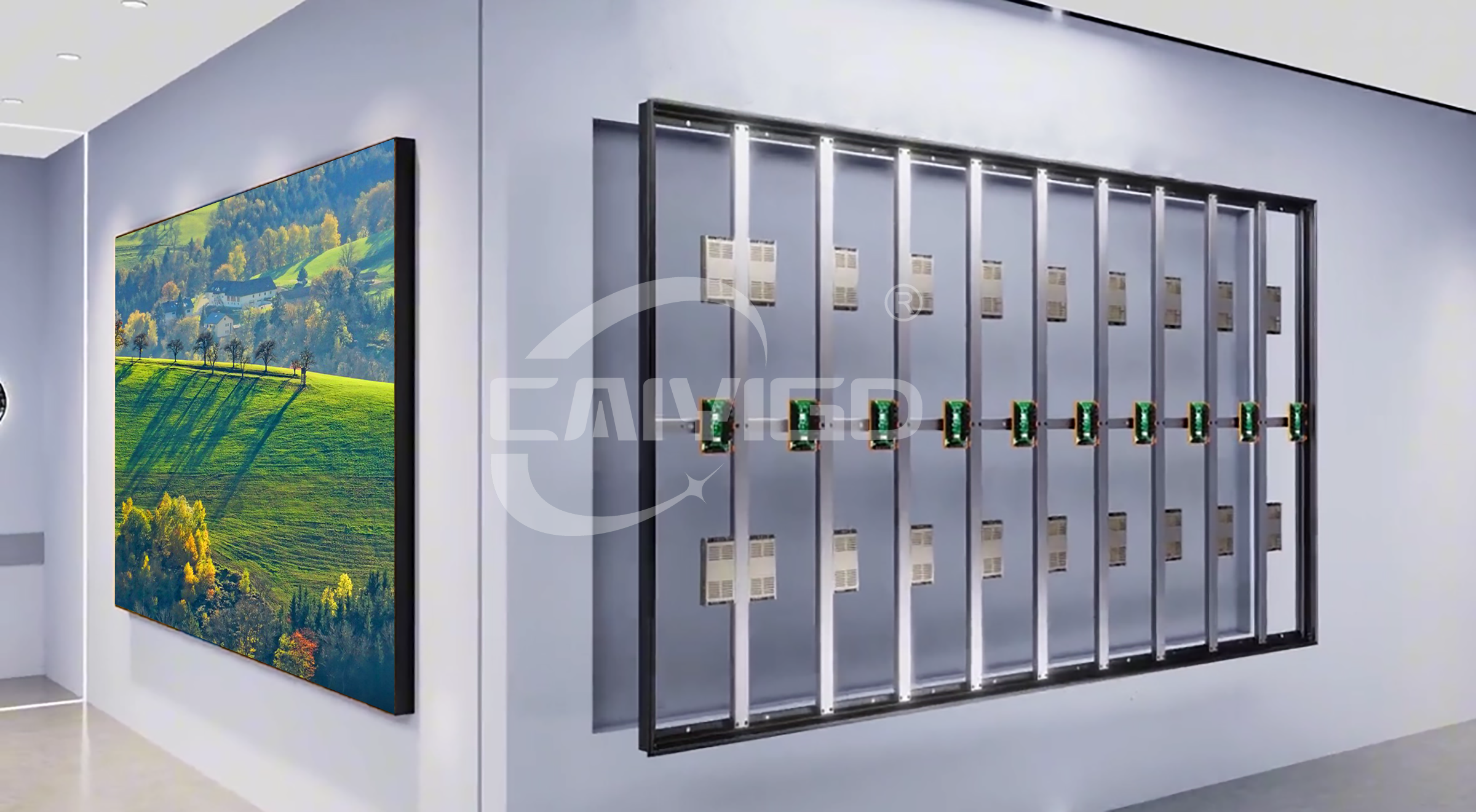
1. Wall-Mounted Installation (The Space Saver)
This is our bread and butter for corporate boardrooms, retail stores, and control centers. The LED cabinets sit on a custom steel frame right against the wall. It looks incredibly clean and doesn't eat up any of your valuable floor space.
The Load-Bearing Reality Check
Don't just assume your wall can take it. Concrete or solid brick? You're golden. But if you are dealing with drywall and metal studs, you absolutely need structural reinforcement before hanging hundreds of pounds of LED panels.
The "Pro-Tip" for Maintenance
Here is a non-negotiable rule from our installers: if you are mounting flush to a wall, you must buy a 100% full front-serviceable display. When a module eventually needs swapping, you simply pop it off from the front with a magnetic vacuum tool. If you buy a rear-maintenance screen for a wall mount, you'll literally have to tear down the wall just to fix a single dead pixel.
2. Hanging / Suspended Installation (For Large Venues)
Walk into any modern mega-church, live concert venue, or high-end auto show, and you'll see screens hanging from the ceiling. We rig these to overhead trusses or load-bearing beams using professional hanging bars.
Weight is Everything
This is where you strictly need lightweight die-cast aluminum cabinets. Heavy iron cabinets are a massive safety hazard when suspended in the air.
Rigging Safety
Never cut corners here. You need fast-locks between the cabinets and secondary steel safety cables. And please, do not hang a screen without having a qualified structural engineer sign off on the ceiling's load capacity first.
3. Embedded / Recessed Installation (The Seamless Architectural Look)
If you are building a high-end showroom or a TV studio and want that futuristic, "integrated" look, recessing the screen into a wall cavity is the way to go. The screen sits perfectly flush with the drywall or wood paneling.
Precision Framing
There is zero room for error here. The cut-out dimensions must be calculated to the millimeter by your contractors, or you'll end up with ugly, uneven gaps around the edges of the screen.
The Silent Killer: Heat
This is the biggest mistake I see in the industry. When you bury a screen inside a wall, the heat has nowhere to escape. If you are doing a large embedded wall, you have to build in ventilation channels or active cooling fans behind the screen. Otherwise, you'll literally cook your LEDs and cut their lifespan in half.
4. Floor-Standing / Base Mounting (The Flexible Route)
What if your walls are glass, or you're renting a venue for a temporary trade show? You go with a floor-standing setup. We support the screen from the bottom using a heavy-duty steel base or a wheeled cart.
Keeping it Upright
Stability is your only concern here. If your screen goes higher than 2.5 meters (about 8 feet), you need to add rear diagonal support brackets or bolt the base to the floor. You do not want that display tipping over in a crowded room.
3 Crucial Questions to Ask Before You Mount
Before anyone picks up a drill or signs a blueprint, make sure you have solid answers to these three questions with your supplier:
Where is my maintenance access? Am I fixing this from the front, or do I need room to walk behind it?
What's the true weight limit? Exactly how many kilograms per square meter can this specific wall or ceiling safely hold?
Where does the heat go? Do I need extra HVAC ventilation for this enclosed space?
Need a Custom Structural Plan?
Don't leave your installation to guesswork. If you're planning a project and aren't quite sure how to safely mount it, reach out to the Colorartled engineering team. We do this every day—from designing custom CAD structures to manufacturing the exact display you need. Let's talk about your space and get it done right the first time.